How Often Should You Sharpen Kitchen Knives?

A good knife is one of the most essential tools in any home kitchen. A sharp blade can make all the difference, no matter if you're chopping vegetables or slicing meat. Yet, many people don't understand how quickly a knife can dull with regular use. Knowing when to sharpen your kitchen knives is key to safer and more enjoyable cooking.
A good meal starts with a fine cut. Your kitchen knife works harder than any other—and yet, it's one of the most overlooked tools when it comes to maintenance. We often blame our cutting skills, but sometimes the real culprit is a dull blade. A sharp knife doesn't just make slicing easier but also makes it safer and more enjoyable. But like your other kitchen accessories, the knives require constant maintenance—and that's why knowing the proper guidance is essential for anyone who cooks.
Signs Your Kitchen Knives Need Sharpening
Here are a few indicators that your knife needs sharpening:
1- Struggling with Soft Foods
If you're struggling with cutting a tomato or fresh mozzarella, your knife is likely dull. When a knife begins to crush instead of slicing cleanly, it's a sign that your blade has lost its fine edge. Keeping an eye on how your knife reacts when slicing soft foods is the easiest way to measure sharpness.
2- Applying More Force
One of the clearest signs your knife needs sharpening is when it needs more force to slice. Dull kitchen knives can slip off surfaces unpredictably, making them more dangerous than sharp ones. If chopping a carrot starts to feel a bit like a workout, your blade has lost its fine edge, and it needs to be upgraded.
3- Food Clinging to the Blade
Have you ever noticed how potatoes or cheese slices cling to your knife instead of falling cleanly? That's an annoying sign that your knife has created jagged edges that drag through food. It won't just slow down your cooking but also cause uneven cooking since the food pieces are sliced inconsistently.
Kitchen Knife Sharpening Tips for Easier Cooking
Here are some tips when slicing the food:
- Test sharpness monthly with a tomato or paper test.
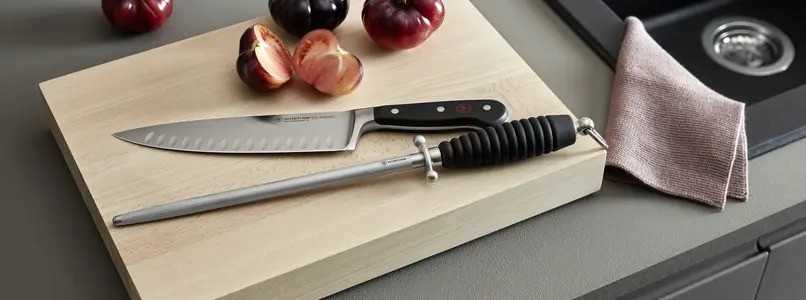
- Sharpen your knives weekly using a honing steel.
- Apply food-safe oil to the blade after sharpening.
- Schedule a full sharpening every two to three months.
Where to Buy the Best Knives for the Kitchen?
If your kitchen knife isn't cutting properly, it may be time to upgrade. We might talk about a lot of brands, but for quality, you can count on iMarku. Their line of high-carbon stainless steel knives combines both quality and function. They offer top-notch blades that deliver clean cuts every time, no matter if you are slicing at a restaurant or simply cooking at home. iMarku kitchen knives are designed with comfort in mind. Their balanced construction makes kitchen knives easy to control and ergonomic handles reduce wrist fatigue.
Keeping your kitchen knife sharp is all about safety, efficiency and accuracy while cooking. Sharpening every few months will keep their blades performing like new. It doesn't just save your time but also helps you produce more professional-looking dishes at home. When you're ready to upgrade, brands like iMarku make it simple. Their kitchen knives help you enhance your cooking with professional-quality craftsmanship. Always remember that a good, sharper blade doesn't just make your cooking game special, but makes everything better.
As the premier partner of the iMarku affiliate program, we would like to inform you that by tapping on the referral link, you may save big on your next purchase. We may earn a small commission without extra cost to you.
Stay tuned to WearChronicles for more details on all-day essentials.